
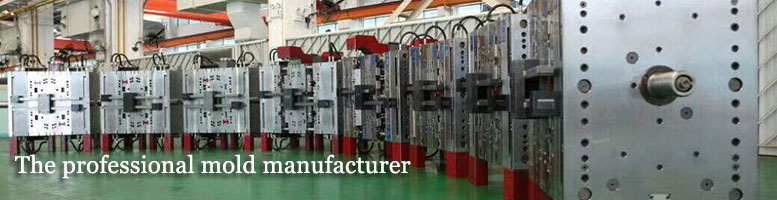
The company currently has over 200 employees and produces around 400-600 sets of various plastic injection molds, including office appliances,home appliances,auto parts,medical instruments, annually. The cohesion of the team reflects excellent quality and service. We firmly believe in adhering to the basic principles of quality, service, and innovation. We believe that "high quality comes from every detail", which is why we win customer loyalty. We welcome you to explore various possibilities.
| Product Name | mgs injection molding |
| Plastic Materials | PE(polyethylene),POM(polyformaldehyde),PETP(poly ethylene terephthalate) ,...etc. |
| Standard | ISO9001 |
| Place of Origin | Shenzhen,China |
| Other materials | Rubber, Slilconce rubber, LSR,Aluminum, Zinc,Copper...Metal...etc. |
| Quality | RoSH and SGS standard |
| Feature | Non marking and Non flash |
| Size | According to your 2D, 3D Drawing |
| Packaging Size: | 223 * 189 * 212 Please consult us for specific details |
| Package | Standard exported Wooden box packed, Fumigation process(upon required) |
| Mold Building Lead Time | 4 - 5 weeks, Part measurement report (upon required) |
| Export region | Europe,Asia |
| Export Country | Kenya,Tunisia,Benin,Cook Islands, ...etc. |
| Surface treatment | Polish. Etched. Texture |
| Experience | 15 years experience in plastic injection mold making and plastic parts produce. |
| Mould making technology | 2D Modelling,CNC Programming...etc. |
| Hot/ Cold Runner | HUSKY, INCOE, YDDO, HASCO, DME, MoldMaster, Masterflow, Mastip...etc. |
| Mould Life | 500000 Shots. (According to your working environment.) |
| Equipments | CNC,Wire Cuting Machine,Drilling machines,Stamping equipment,EDM ...etc. |
| Lead time (days) | To be negotiated |
GoodBo Mould is one of the leading mgs injection molding manufacturers in China, and our mission is to provide customers with high-quality products and the highest quality service.
GoodBo Mould uses a integrated approach to establish the best process for the manufacturing of your product. Once the production is in place we use web-based communication, design and file transfer tools that streamline every step processing and fulfilling the project.
Files can be imported and exported in all common formats, including: PRT,IGES,DWG,STP, etc. If your files are in another format, contact your project manager and we can arrange to accommodate your needs. File transfers are done via FTP or E-mails. To quickly and easily transfer a design file to GoodBo Mould, contact your project manager for instructions.
mgs injection molding---FAQs Guide
2.About the scale of mgs injection molding factory
3.What types of machines are needed to produce a mgs injection molding?
4.What is the difference between high-pressure and low-pressure mgs injection molding?
5.What type of steel is normally used for a mgs injection molding?
6.What type of runner and gate systems are incorporated into the mgs injection molding design?
7.What is the difference between an injection mould and a compression mgs injection molding?
8.What training and support are provided for users working with the mgs injection molding?
9.How to make a mould?
10.What kind of lubricants are used to reduce mgs injection molding friction?
11.Does the mgs injection molding support multi-cavity configurations for simultaneous production of multiple units?
12.Does the mgs injection molding design comply with industry standards and regulations?
13.What other factors need to be taken into account when designing a mgs injection molding?
1.How do mgs injection molding hardness and mould flexibility affect its performance?
We pay attention to user experience and product quality, and provide the best product quality and lowest production cost for cooperative customers.Mould hardness and mould flexibility can have a significant impact on the performance of a mould. Harder moulds are more durable and can withstand higher temperatures and pressures, making them ideal for high-volume production. However, they are also more difficult to modify and can be more expensive to produce. On the other hand, softer moulds are more flexible and can be modified more easily, making them ideal for low-volume production. However, they are also more prone to wear and tear and can be less durable.
2.About the scale of mgs injection molding factory
Our company currently has over 200 employees and produces around 400-600 sets of various plastic injection molds annually.

3.What types of machines are needed to produce a mgs injection molding?
Our company has many years of mgs injection molding experience and expertise.The types of machines needed to produce a mould depend on the type of mould being produced. Generally, machines such as CNC milling machines, lathes, grinders, and EDM machines are used to produce moulds. In addition, injection moulding machines may be used to produce plastic moulds.
4.What is the difference between high-pressure and low-pressure mgs injection molding?
We focus on teamwork and communication to achieve common goals, We attach great importance to this detail.High-pressure moulds are used to create parts with complex shapes and intricate details, while low-pressure moulds are used to create parts with simpler shapes and fewer details. High-pressure moulds require more pressure to form the parts, while low-pressure moulds require less pressure. High-pressure moulds are more expensive and require more time to create the parts, while low-pressure moulds are less expensive and require less time.

5.What type of steel is normally used for a mgs injection molding?
We focus on our customers' needs and strive to meet their expectations, so we take this very seriously.
Tool steel is typically used for moulds. Common types of tool steel include high-speed steel, hot-work steel, cold-work steel, shock-resistant steel, and plastic mould steel.
6.What type of runner and gate systems are incorporated into the mgs injection molding design?
We continue to invest in research and development and continue to launch innovative products.The type of runner and gate systems incorporated into the mold design depend on the type of part being molded and the desired outcome. Common runner and gate systems include cold runner systems, hot runner systems, direct gating, edge gating, and valve gating.

7.What is the difference between an injection mould and a compression mgs injection molding?
We have been working hard to improve service quality and meet customer needs.An injection mould is a tool used to produce plastic parts by injecting molten material into a mould cavity. The molten material is injected under pressure and cooled to form the desired shape. A compression mould is a tool used to produce plastic parts by pressing a preheated plastic material into a mould cavity. The material is then cooled and hardened to form the desired shape. The main difference between an injection mould and a compression mould is the way in which the molten material is introduced into the mould cavity.
8.What training and support are provided for users working with the mgs injection molding?
Our mgs injection molding products have competitive and differentiated advantages, and actively promote digital transformation and innovation.Training and support for users working with the mold will vary depending on the manufacturer. Generally, the manufacturer will provide detailed instructions on how to use the mold, as well as safety guidelines. They may also provide technical support and troubleshooting assistance. Additionally, some manufacturers may offer on-site training and support for users.

9.How to make a mould?
We focus on innovation and continuous improvement to maintain a competitive advantage.
1. Start by gathering the materials you need to make the mould. You will need a container to hold the mould, a material to make the mould from (such as silicone, plaster, or clay), and a release agent (such as petroleum jelly or cooking spray).
2. Prepare the container for the mould. Make sure it is clean and dry, and then apply a release agent to the inside of the container. This will help the mould come out of the container easily when it is finished.
3. Mix the material you are using to make the mould. Follow the instructions on the package for the best results.
4. Pour the mixture into the container and spread it evenly. Make sure to fill the container completely and leave no air pockets.
5. Allow the mould to dry completely. Depending on the material you are using, this could take anywhere from a few hours to a few days.
6. Once the mould is dry, carefully remove it from the container. If necessary, use a knife or other tool to help loosen the edges of the mould.
7. Your mould is now ready to use!
10.What kind of lubricants are used to reduce mgs injection molding friction?
We have a good reputation and image in the industry. The quality and price advantage of mgs injection molding products is an important factor in our hard overseas market.Silicone lubricants, graphite lubricants, and PTFE (polytetrafluoroethylene) lubricants are all commonly used to reduce mould friction.

11.Does the mgs injection molding support multi-cavity configurations for simultaneous production of multiple units?
We have broad development space in domestic and foreign markets. mgs injection molding have great advantages in terms of price, quality, and delivery date.Yes, many molds are designed to support multi-cavity configurations for simultaneous production of multiple units.
12.Does the mgs injection molding design comply with industry standards and regulations?
As one of the top mgs injection molding manufacturers in China, we take this very seriously.Yes, the mold design should comply with industry standards and regulations. It is important to ensure that the mold design meets all applicable safety and quality standards.
13.What other factors need to be taken into account when designing a mgs injection molding?
We have a first -class management team, and we pay attention to teamwork to achieve common goals.
1. The type of material to be used for the mould: Different materials have different properties and require different mould designs.
2. The size and shape of the part to be produced: The mould must be designed to accommodate the size and shape of the part.
3. The number of cavities: The number of cavities in the mould will affect the design.
4. The type of injection moulding machine to be used: The mould must be designed to fit the injection moulding machine.
5. The type of cooling system to be used: The mould must be designed to accommodate the cooling system.
6. The type of ejection system to be used: The mould must be designed to accommodate the ejection system.
7. The type of surface finish to be achieved: The mould must be designed to achieve the desired surface finish.
8. The type of gate to be used: The mould must be designed to accommodate the gate.
9. The type of runner system to be used: The mould must be designed to accommodate the runner system.
10. The type of venting system to be used: The mould must be designed to accommodate the venting system.
Tags:pvc injection mould,nylon plastic injection mold,lcp 2 plastic mold,abs plastic bracket injection mold,plastic clothes hanger moulds,plastic baby chair mould,panel plastic mould