
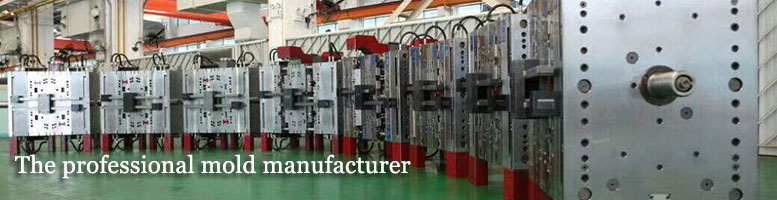
We can meet various requirements from different types of customers. We pursue the management tenet of Quality is superior.The area of expertise covers Mold standard components,Multi color injection molding,Blow Molding,Plastic injection,Die Casting Mold,Mock up sample, etc.GoodBo Mould designs, makes mold and manufactures injection molded products and parts for a wide variety of industries. GoodBo Mould has our global customers such as Haier,Nissan,HP,FAW-Volkswagen,Samsung,HONDA,Hyundai,Ford,KONKA,Canon,etc.
| Product Name | pvc injection mould |
| Plastic Materials | PPS(poly phenylene sulfide),PETP(poly ethylene terephthalate),PMMA(poly methyl methacrylate) ,...etc. |
| Standard | ISO9001 |
| Place of Origin | Shenzhen,China |
| Other materials | Rubber, Slilconce rubber, LSR,Aluminum, Zinc,Copper...Metal...etc. |
| Quality | RoSH and SGS standard |
| Feature | Non marking and Non flash |
| Size | According to your 2D, 3D Drawing |
| Packaging Size: | 174 * 136 * 210 Please consult us for specific details |
| Package | Standard exported Wooden box packed, Fumigation process(upon required) |
| Mold Building Lead Time | 4 - 5 weeks, Part measurement report (upon required) |
| Export region | America,Africa |
| Export Country | Andorra,Algeria,Bulgaria,Lithuania, ...etc. |
| Surface treatment | Polish. Etched. Texture |
| Experience | 15 years experience in plastic injection mold making and plastic parts produce. |
| Mould making technology | 2D Modelling,Plastic flow/deform simulation...etc. |
| Hot/ Cold Runner | HUSKY, INCOE, YDDO, HASCO, DME, MoldMaster, Masterflow, Mastip...etc. |
| Mould Life | 500000 Shots. (According to your working environment.) |
| Equipments | CMM,Grinding machine,Milling machine,CNC,Drilling machines...etc. |
| Lead time (days) | To be negotiated |
GoodBo Mould is one of the leading pvc injection mould manufacturers in China, and our mission is to provide customers with high-quality products and the highest quality service.
Excellent and adequate processing equipments, and normalized and efficient production management are the guarantee for mould quality and delivery.
GoodBo Mould continuous investment in our mold making facilities has kept the company at the forefront of quality injection mold making. Backed up by our experienced mold maker and management personnel, our philosophy is: DO IT RIGHT THE FIRST TIME, EVERY TIME. 24-hours operations to meet your needs,Manufacture of both simple and complex molds and molding parts,Get design approval before cutting steel ,Complete In-House Mold-Making Facilities,etc.
pvc injection mould---FAQs Guide
2.About pvc injection mould,which materials do you support?
3.What factors affect the lifespan of a pvc injection mould?
4.What should be taken into consideration when selecting a pvc injection mould for a certain application?
5.Is the pvc injection mould adaptable to different injection molding machines?
6.What is the difference between an injection mould and a compression pvc injection mould?
7.what is mould?
8.What techniques are used to remove excess material from a pvc injection mould during the moulding process?
9.What kind of cooling systems are used for moulding?
10.What technologies are used to produce higher quality pvc injection mould?
1.What safety precautions should be taken when using pvc injection mould?
We pay attention to the transformation of intellectual property protection and innovation achievements. Your OEM or ODM order design we have a complete confidentiality system.
1. Wear protective gloves, goggles, and a face mask when handling moulds.
2. Avoid breathing in mould spores by working in a well-ventilated area.
3. Clean and disinfect moulds before and after use.
4. Avoid contact with skin and eyes.
5. Dispose of moulds properly after use.
6. Store moulds in a dry, cool place away from direct sunlight.
7. Wear long sleeves and pants when working with moulds.
8. Avoid eating or drinking while working with moulds.
9. Wash hands thoroughly after handling moulds.
10. Use a dust mask when sanding or grinding moulds.
2.About pvc injection mould,which materials do you support?
We offer clients a wide range of materials:ABS(acrylonitrile-butadiene-styrene copolymer), CA(cellulose acetate), AS(acrylonitrile-styrene), GPS(general polystyrene), HDPE(high density polyethylene), LDPE(low density polyethylene), PA(polyamide), PBTP(poly butylene terephthalate), PC(polycarbonate), PE(polyethylene), PETP(poly ethylene terephthalate), PMMA(poly methyl methacrylate), POM(polyformaldehyde), PP(polypropylene),PPO(poly phenylene oxide), PPS(poly phenylene sulfide), PUR(polyurethane), PVC(poly vinyl chloride), TPE(thermoplastic), etc.

3.What factors affect the lifespan of a pvc injection mould?
We are centered on customers and always pay attention to customers' needs for pvc injection mould products.
1. Temperature: Temperature can affect the growth and survival of moulds. Generally, moulds grow best in warm, damp environments. High temperatures can kill some moulds, while low temperatures can slow down their growth.
2. Humidity: High humidity levels can promote the growth of moulds, while low humidity levels can inhibit their growth.
3. Light: Moulds need light to grow, so exposure to light can affect their lifespan.
4. Airflow: Poor air circulation can create an environment that is conducive to mould growth.
5. Nutrients: Moulds need nutrients to survive, so the availability of nutrients can affect their lifespan.
6. pH: The pH of the environment can affect the growth of moulds. Generally, moulds prefer slightly acidic environments.
4.What should be taken into consideration when selecting a pvc injection mould for a certain application?
Our mission is to provide customers with the best solutions for pvc injection mould.
1. The type of material to be used in the mould.
2. The size and shape of the part to be produced.
3. The complexity of the part design.
4. The production volume required.
5. The type of injection moulding machine to be used.
6. The type of cooling system to be used.
7. The type of ejection system to be used.
8. The type of surface finish required.
9. The cost of the mould.
10. The lead time for the mould.

5.Is the pvc injection mould adaptable to different injection molding machines?
We are committed to providing personalized solutions and established long -term strategic cooperative relationships with customers.Yes, the mold can be adapted to different injection molding machines. Depending on the type of mold and the complexity of the part, some modifications may be necessary.
6.What is the difference between an injection mould and a compression pvc injection mould?
We have been working hard to improve service quality and meet customer needs.An injection mould is a tool used to produce plastic parts by injecting molten material into a mould cavity. The molten material is injected under pressure and cooled to form the desired shape. A compression mould is a tool used to produce plastic parts by pressing a preheated plastic material into a mould cavity. The material is then cooled and hardened to form the desired shape. The main difference between an injection mould and a compression mould is the way in which the molten material is introduced into the mould cavity.

7.what is mould?
We have flexible production capacity. Whether you are large orders or small orders, you can produce and release goods in a timely manner to meet customer needs.
Mould is a type of fungus that grows in damp, warm environments. It can appear as a fuzzy or slimy substance on walls, ceilings, and other surfaces. Mould can cause health problems, such as allergies and respiratory issues, and can damage the structure of a building.
8.What techniques are used to remove excess material from a pvc injection mould during the moulding process?
We maintain a stable growth through reasonable capital operations, focus on industry development trends and cutting -edge technologies, and focus on product quality and safety performance.
1. Trimming: This is the most common technique used to remove excess material from a mould. It involves using a sharp tool to cut away the excess material.
2. Sanding: This technique involves using sandpaper to sand down the excess material.
3. Grinding: This technique involves using a grinding wheel to grind away the excess material.
4. Drilling: This technique involves using a drill to drill away the excess material.
5. Blasting: This technique involves using a blasting material such as sand or glass beads to blast away the excess material.

9.What kind of cooling systems are used for moulding?
We have advantages in marketing and channel expansion. Suppliers have established good cooperative relations, continuously improved workflows, improved efficiency and productivity, and provided customers with high -quality products and services.The most common cooling systems used for moulding are water cooling systems, air cooling systems, and oil cooling systems. Water cooling systems are the most efficient and cost-effective, as they use a closed-loop system to circulate coolant through the mould to quickly cool the plastic. Air cooling systems use fans to blow air over the mould to cool it, while oil cooling systems use a heat exchanger to transfer heat from the mould to a cooling oil.
10.What technologies are used to produce higher quality pvc injection mould?
We pay attention to employee development and benefits, and provide a good working environment in order to improve the efficiency of employees and improve the quality management of pvc injection mould products.
1. Computer Numerical Control (CNC) Machining: CNC machining is a process that uses computer-controlled machines to cut and shape materials into precise shapes and sizes. This technology is used to produce higher quality moulds with greater accuracy and repeatability.
2. 3D Printing: 3D printing is a process that uses a digital model to create a physical object. This technology is used to produce complex moulds with intricate details and shapes.
3. Laser Cutting: Laser cutting is a process that uses a laser beam to cut and shape materials into precise shapes and sizes. This technology is used to produce higher quality moulds with greater accuracy and repeatability.
4. Vacuum Forming: Vacuum forming is a process that uses a vacuum to form plastic sheets into desired shapes. This technology is used to produce higher quality moulds with greater accuracy and repeatability.
5. Injection Moulding: Injection moulding is a process that uses a heated plastic material to form a desired shape. This technology is used to produce higher quality moulds with greater accuracy and repeatability.

Tags:signal light plastic mould,injection molds,plastic mold china,injection mold automation,china 2 shot injection mold,cold runner injection mold