
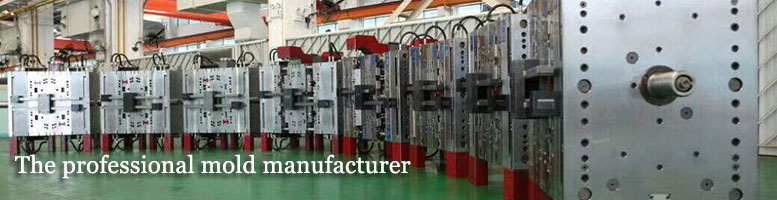
Our factory is located in Shenzhen, the famous "manufacturing capital" of China. Having a professional management team and adopting a modern horizontal open management model. We define quality as the overall customer satisfaction and actively promote standardization of components and management. GoodBo Mould has global customers such as Canon,Sony,FAW-Volkswagen,Samsung,HONDA,KONKA,Ford,HP,Nissan,Media. We believe that "high quality comes from every detail", which is why we win customer loyalty. We welcome you to explore various possibilities.
| Shaping Mode | Injection Mould |
| Place of Origin | Shenzhen,Guangdong |
| Mould making technology | CNC Programming,2D Modelling...etc. |
| Product Material | Plastic/Metal |
| Colors | Customized Colors |
| Product Name | 2k injection moulds |
| Mold material | P20/718/738/NAK80/S136 |
| Material | PBTP(poly butylene terephthalate),PVC(poly vinyl chloride),PMMA(poly methyl methacrylate)...etc. |
| Design software | CAD/PROE/UG/3D/DWG/IGS/STEP/PDF/JPG |
| Cavity | Single/Multi Cavity moulds |
| Mould life | 350000 shots |
| Application | Automotive,White Goods,FMCG...etc. |
| Runner | Cold Runner. Hot Runner: Yudo |
| Surface treatment | Polish. Etched. Texture |
| Certification | ISO9001:2015 |
| Size(cm) | 213 * 134 * 271 Please consult us for specific details |
| Packaging Details | 1. injection mold: by pallet or as buyer's request. 2. injection parts: by bags then export carton, or as buyer's request. |
| Export region | Oceania,Europe,Asia |
| Port | Shenzhen |
| Supply Ability | 3000 Piece/Pieces per Day Please contact the us to check the exact delivery time |
| Samples | Maximum order quantity: 1000 piece Please contact us to confirmation |
GoodBo Mould is one of the leading 2k injection moulds manufacturers in China, and our mission is to provide customers with high-quality products and the highest quality service.
GoodBo Mould uses a integrated approach to establish the best process for the manufacturing of your product. Once the production is in place we use web-based communication, design and file transfer tools that streamline every step processing and fulfilling the project.
Files can be imported and exported in all common formats, including: IGES,STP,DWG,PRT, etc. If your files are in another format, contact your project manager and we can arrange to accommodate your needs. File transfers are done via FTP or E-mails. To quickly and easily transfer a design file to GoodBo Mould, contact your project manager for instructions.
2k injection moulds---FAQs Guide
2.What are the common types of 2k injection moulds used for metal alloys?
3.What is the significance of angle control in 2k injection moulds?
4.What kind of cooling systems are used for moulding?
5.What are the most important features of a 2k injection moulds?
6.What other factors need to be taken into account when designing a 2k injection moulds?
7.How does the temperature of a 2k injection moulds affect the moulding process?
8.What kind of coatings are used for 2k injection moulds surfaces to reduce wear and tear?
9.How do 2k injection moulds hardness and mould flexibility affect its performance?
10.what is mould?
11.About 2k injection moulds quality system
12.What 2k injection moulds maintenance methods can be used to extend the mold’s service life?
13.What types of finishes can be applied to 2k injection moulds?
14.Does the 2k injection moulds design comply with industry standards and regulations?
15.What is the production capacity of the factory for 2k injection moulds?
16.What are the advantages and disadvantages of using a 3D printed 2k injection moulds?
1.In what ways can 2k injection moulds cooling be improved?
We enjoy high authority and influence in the industry and continue to innovate products and service models.
1. Increase air circulation: Increasing air circulation in the area where the mold is cooling can help to reduce the temperature of the mold more quickly.
2. Use a cooling system: Installing a cooling system such as a water-cooled chiller can help to reduce the temperature of the mold more quickly and efficiently.
3. Use a fan: Installing a fan in the area where the mold is cooling can help to circulate the air and reduce the temperature of the mold more quickly.
4. Use a heat exchanger: Installing a heat exchanger in the area where the mold is cooling can help to transfer the heat away from the mold more quickly.
5. Use a cooling spray: Applying a cooling spray to the mold can help to reduce the temperature of the mold more quickly.
6. Use a cooling blanket: Wrapping a cooling blanket around the mold can help to reduce the temperature of the mold more quickly.
2.What are the common types of 2k injection moulds used for metal alloys?
We continuously upgrade our skills and knowledge to adapt to changing 2k injection moulds market needs.
1. Sand Casting Moulds: Sand casting is one of the most popular and cost-effective methods for producing metal parts and components. Sand casting moulds are made from a mixture of sand, clay, and water. The sand is packed around a pattern of the desired shape, and then the pattern is removed and molten metal is poured into the cavity.
2. Investment Casting Moulds: Investment casting is a process in which a wax pattern is used to create a mould. The wax pattern is then encased in a ceramic shell, which is heated to melt the wax and create a cavity for the molten metal to be poured into.
3. Permanent Moulds: Permanent moulds are made from metal and are used to produce parts with complex shapes and intricate details. The mould is heated and the molten metal is poured into the cavity.
4. Die Casting Moulds: Die casting is a process in which molten metal is forced into a mould under high pressure. The mould is usually made from steel or aluminium and is designed to produce parts with precise dimensions and intricate details.

3.What is the significance of angle control in 2k injection moulds?
We have advanced production equipment and technology to meet the needs of customers, and can provide customers with high quality, low priced 2k injection moulds products.Angle control in moulds is important for ensuring that the finished product has the desired shape and dimensions. It is also important for controlling the flow of molten material during the injection moulding process. Angle control helps to ensure that the molten material is evenly distributed throughout the mould cavity, which helps to reduce the risk of defects in the finished product. Additionally, angle control helps to reduce the risk of warping and other deformities in the finished product.
4.What kind of cooling systems are used for moulding?
We have advantages in marketing and channel expansion. Suppliers have established good cooperative relations, continuously improved workflows, improved efficiency and productivity, and provided customers with high -quality products and services.The most common cooling systems used for moulding are water cooling systems, air cooling systems, and oil cooling systems. Water cooling systems are the most efficient and cost-effective, as they use a closed-loop system to circulate coolant through the mould to quickly cool the plastic. Air cooling systems use fans to blow air over the mould to cool it, while oil cooling systems use a heat exchanger to transfer heat from the mould to a cooling oil.

5.What are the most important features of a 2k injection moulds?
We continue to improve 2k injection moulds products and processes to improve efficiency.
1. Durability: The mould should be able to withstand the high temperatures and pressures of the injection moulding process.
2. Precision: The mould should be able to produce parts with a high degree of accuracy and repeatability.
3. Surface Finish: The mould should be able to produce parts with a smooth, consistent surface finish.
4. Ease of Maintenance: The mould should be easy to maintain and repair.
5. Cost: The mould should be cost-effective to produce and maintain.
6.What other factors need to be taken into account when designing a 2k injection moulds?
We have a first -class management team, and we pay attention to teamwork to achieve common goals.
1. The type of material to be used for the mould: Different materials have different properties and require different mould designs.
2. The size and shape of the part to be produced: The mould must be designed to accommodate the size and shape of the part.
3. The number of cavities: The number of cavities in the mould will affect the design.
4. The type of injection moulding machine to be used: The mould must be designed to fit the injection moulding machine.
5. The type of cooling system to be used: The mould must be designed to accommodate the cooling system.
6. The type of ejection system to be used: The mould must be designed to accommodate the ejection system.
7. The type of surface finish to be achieved: The mould must be designed to achieve the desired surface finish.
8. The type of gate to be used: The mould must be designed to accommodate the gate.
9. The type of runner system to be used: The mould must be designed to accommodate the runner system.
10. The type of venting system to be used: The mould must be designed to accommodate the venting system.

7.How does the temperature of a 2k injection moulds affect the moulding process?
We have a professional team that is committed to the innovation and development of 2k injection moulds.Temperature is a critical factor in the moulding process. If the mould is too cold, the plastic material will not flow properly and the moulded part will be of poor quality. If the mould is too hot, the plastic material will degrade and the moulded part will be of poor quality. The ideal temperature for the mould depends on the type of plastic material being used. Generally, the mould should be heated to a temperature that is slightly higher than the melting point of the plastic material. This will ensure that the plastic material flows properly and the moulded part has a good finish.
8.What kind of coatings are used for 2k injection moulds surfaces to reduce wear and tear?
Our 2k injection moulds products undergo strict quality control to ensure customer satisfaction.Common coatings used for mould surfaces to reduce wear and tear include hard chrome plating, electroless nickel plating, and diamond-like carbon (DLC) coatings. Hard chrome plating is a hard, wear-resistant coating that is applied to the mould surface to reduce friction and wear. Electroless nickel plating is a corrosion-resistant coating that is applied to the mould surface to reduce wear and tear. Diamond-like carbon (DLC) coatings are a type of hard, wear-resistant coating that is applied to the mould surface to reduce friction and wear.

9.How do 2k injection moulds hardness and mould flexibility affect its performance?
We pay attention to user experience and product quality, and provide the best product quality and lowest production cost for cooperative customers.Mould hardness and mould flexibility can have a significant impact on the performance of a mould. Harder moulds are more durable and can withstand higher temperatures and pressures, making them ideal for high-volume production. However, they are also more difficult to modify and can be more expensive to produce. On the other hand, softer moulds are more flexible and can be modified more easily, making them ideal for low-volume production. However, they are also more prone to wear and tear and can be less durable.
10.what is mould?
We have flexible production capacity. Whether you are large orders or small orders, you can produce and release goods in a timely manner to meet customer needs.
Mould is a type of fungus that grows in damp, warm environments. It can appear as a fuzzy or slimy substance on walls, ceilings, and other surfaces. Mould can cause health problems, such as allergies and respiratory issues, and can damage the structure of a building.

11.About 2k injection moulds quality system
We define quality as total customer satisfaction and actively deploy the push of the work for components and management standardization.Excellent and adequate processing equipments, and normalized and efficient production management are the guarantee for mould quality and delivery.
12.What 2k injection moulds maintenance methods can be used to extend the mold’s service life?
We maintain a certain amount of R&D investment every year and continuously improve operational efficiency to provide better services to our cooperative customers.
1. Clean the mold regularly: Cleaning the mold regularly helps to remove any dirt, dust, or debris that can cause wear and tear on the mold.
2. Lubricate the mold: Lubricating the mold helps to reduce friction and wear on the mold.
3. Inspect the mold: Regularly inspecting the mold for any signs of wear or damage can help to identify any potential problems before they become serious.
4. Repair any damage: If any damage is found, it should be repaired as soon as possible to prevent further damage and extend the life of the mold.
5. Store the mold properly: Storing the mold in a dry, cool place can help to prevent rust and corrosion.

13.What types of finishes can be applied to 2k injection moulds?
We attach importance to the innovation ability and team spirit of employees, have advanced R & D facilities and laboratories, and have a good quality management system.
1. Powder Coating
2. Anodizing
3. Painting
4. Plating
5. Polishing
6. Sandblasting
7. Heat Treating
8. Ceramic Coating
9. Laser Etching
10. Vacuum Metallizing
14.Does the 2k injection moulds design comply with industry standards and regulations?
As one of the top 2k injection moulds manufacturers in China, we take this very seriously.Yes, the mold design should comply with industry standards and regulations. It is important to ensure that the mold design meets all applicable safety and quality standards.

15.What is the production capacity of the factory for 2k injection moulds?
The annual manufacturing capacity is around 400-600 sets of various plastic injection moulds for parts of auto parts, home appliances, medical instruments, office appliances and communicating equipments, etc.
16.What are the advantages and disadvantages of using a 3D printed 2k injection moulds?
We should enjoy a good reputation in the industry, and we can increase the added value of the products of cooperative customers through technological innovation.Advantages:
1. Cost-Effective: 3D printed moulds are much cheaper than traditional moulds, making them a great option for small businesses and startups.
2. Quick Turnaround: 3D printed moulds can be produced quickly, allowing for faster product development and prototyping.
3. Versatility: 3D printed moulds can be used to create complex shapes and designs that would be difficult to achieve with traditional moulds.
4. Customization: 3D printed moulds can be customized to fit specific needs, allowing for greater flexibility in product design.
Disadvantages:
1. Limited Durability: 3D printed moulds are not as durable as traditional moulds and may not be able to withstand the same level of wear and tear.
2. Limited Materials: 3D printed moulds are limited to the materials that can be used in the printing process, which may not be suitable for certain applications.
3. Limited Accuracy: 3D printed moulds may not be as accurate as traditional moulds, which can lead to imperfections in the finished product.
4. Limited Finishes: 3D printed moulds may not be able to achieve the same level of finish as traditional moulds, which can affect the overall quality of the product.

Tags:clear cup injection mold,prototype injection mold,plastic food container rotomoulding moulds,injection mold parts