
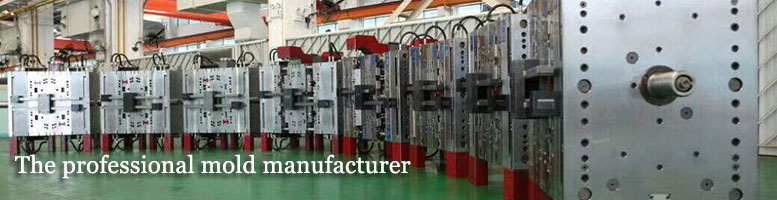
So we have rich experience to serve our customers. We define quality as the overall customer satisfaction and actively promote standardization of components and management. With our innovative, dedicated, and experienced team, we can provide your mold manufacturer with the tools, products, and solutions they need. GoodBo mould designs, manufactures molds, and injectable products and parts for various industries. GoodBo Mould has global customers such as FAW-Volkswagen,KONKA,Nissan,Samsung,Canon,Media,Hyundai,HONDA,Ford,Sony.
| Product name | platen injection mold |
| Place of Origin | China |
| Runner | Cold Runner. Hot Runner: Yudo |
| Port | Shenzhen |
| Colors | Customized Colors |
| Condition | New |
| Design software | CAD/PROE/UG/3D/STEP/PDF/JPG |
| Packing Size(cm) | 185*132*277 Specific consultation with us |
| Brand Name | GoodBo Mould |
| Export region | America,Europe |
| Export country | America,Europe...etc |
| Mould life | 350000 shots |
| Certification | ISO90001 |
| Product Material | TPE(thermoplastic),PC(polycarbonate),GPS(general polystyrene)...etc. |
| Mould making technology | 3D Modelling,2D Modelling...etc. |
| Application | Marine,Aerospace,FMCG...etc. |
| After-sales Service | Always maintained |
| MOQ | Negotiable |
| Packaging Details | Packed in cartons |
| Supply Ability | 2000-100000 Set/Sets per Month (See specific model products) |
| Lead time (days) | 20-40 (To be negotiated) |
| Mould Base | LKM,HASCO... |
GoodBo Mould is one of the leading platen injection mold manufacturers in China, and our mission is to provide customers with high-quality products and the highest quality service.
At GoodBo Mould we fully test all molds in-house. Trial reports and process data are provided to the client for rapid start up and all clients can be assured of tight quality control that guarantees a quality product. Mold trial run samples will be provided together with inspection reports.
We offer clients a wide range of materials to meet their product specifications, including the following:PPO(poly phenylene oxide),TPE(thermoplastic),PVC(poly vinyl chloride),PBTP(poly butylene terephthalate),PP(polypropylene),PUR(polyurethane),AS(acrylonitrile-styrene),PMMA(poly methyl methacrylate),HDPE(high density polyethylene),POM(polyformaldehyde),GPS(general polystyrene),CA(cellulose acetate),ABS(acrylonitrile-butadiene-styrene copolymer),PE(polyethylene),LDPE(low density polyethylene), etc.
platen injection mold---FAQs Guide
2.What types of machines are needed to produce a platen injection mold?
3.What is the significance of angle control in platen injection mold?
4.How does shrinkage of the material being moulded affect the finished product?
5.What are the advantages and disadvantages of platen injection mold made from aluminium?
6.Does the platen injection mold design comply with industry standards and regulations?
7.How important is the accuracy of a platen injection mold?
8.What type of cooling system is integrated into the platen injection mold, and how efficiently does it dissipate heat?
9.Are there automated features integrated into the platen injection mold to streamline the manufacturing process?
10.Is the platen injection mold adaptable to different injection molding machines?
11.What types of finishes can be applied to platen injection mold?
12.About platen injection mold production equipment
13.How does the temperature of a platen injection mold affect the moulding process?
14.What materials are usually used to make platen injection mold?
15.What kind of lubricants are used to reduce platen injection mold friction?
1.What techniques are used to remove excess material from a platen injection mold during the moulding process?
We maintain a stable growth through reasonable capital operations, focus on industry development trends and cutting -edge technologies, and focus on product quality and safety performance.
1. Trimming: This is the most common technique used to remove excess material from a mould. It involves using a sharp tool to cut away the excess material.
2. Sanding: This technique involves using sandpaper to sand down the excess material.
3. Grinding: This technique involves using a grinding wheel to grind away the excess material.
4. Drilling: This technique involves using a drill to drill away the excess material.
5. Blasting: This technique involves using a blasting material such as sand or glass beads to blast away the excess material.
2.What types of machines are needed to produce a platen injection mold?
Our company has many years of platen injection mold experience and expertise.The types of machines needed to produce a mould depend on the type of mould being produced. Generally, machines such as CNC milling machines, lathes, grinders, and EDM machines are used to produce moulds. In addition, injection moulding machines may be used to produce plastic moulds.
3.What is the significance of angle control in platen injection mold?
We have advanced production equipment and technology to meet the needs of customers, and can provide customers with high quality, low priced platen injection mold products.Angle control in moulds is important for ensuring that the finished product has the desired shape and dimensions. It is also important for controlling the flow of molten material during the injection moulding process. Angle control helps to ensure that the molten material is evenly distributed throughout the mould cavity, which helps to reduce the risk of defects in the finished product. Additionally, angle control helps to reduce the risk of warping and other deformities in the finished product.
4.How does shrinkage of the material being moulded affect the finished product?
We have rich industry experience and professional knowledge, and have strong competitiveness in the market.Shrinkage of the material being moulded can affect the finished product in a variety of ways. If the material shrinks too much, it can cause warping, cracking, or other deformities in the finished product. It can also cause the product to be smaller than expected, or to have a different shape than intended. Additionally, shrinkage can cause the product to have a different surface finish than expected, or to have a different color than intended.

5.What are the advantages and disadvantages of platen injection mold made from aluminium?
We are a new platen injection mold manufacturer.
Advantages:
1. Aluminium is lightweight and strong, making it ideal for creating intricate moulds.
2. Aluminium is a good conductor of heat, which makes it ideal for use in casting processes.
3. Aluminium is corrosion-resistant, making it a great choice for moulds that will be used in wet or humid environments.
4. Aluminium is relatively inexpensive compared to other metals, making it a cost-effective choice for moulds.
Disadvantages:
1. Aluminium is not as strong as other metals, making it more prone to wear and tear.
2. Aluminium is not as durable as other metals, making it more susceptible to damage from heat and pressure.
3. Aluminium is not as easy to work with as other metals, making it more difficult to create intricate moulds.
4. Aluminium is not as resistant to corrosion as other metals, making it more prone to rusting.
6.Does the platen injection mold design comply with industry standards and regulations?
As one of the top platen injection mold manufacturers in China, we take this very seriously.Yes, the mold design should comply with industry standards and regulations. It is important to ensure that the mold design meets all applicable safety and quality standards.
7.How important is the accuracy of a platen injection mold?
We operate our platen injection mold business with integrity and honesty.The accuracy of a mould is extremely important, as it directly affects the quality of the finished product. If the mould is not accurate, the product may not fit together properly, or may not have the desired shape or size. In addition, if the mould is not accurate, it can lead to defects in the finished product, such as warping, cracking, or other imperfections.
8.What type of cooling system is integrated into the platen injection mold, and how efficiently does it dissipate heat?
I have a comprehensive after -sales service system, which can pay attention to market trends in time and adjust our strategy in a timely manner.The type of cooling system integrated into the mold depends on the specific mold design and the materials used. Generally, cooling systems are designed to dissipate heat as efficiently as possible, using a combination of water, air, and/or oil to cool the mold. The efficiency of the cooling system depends on the size and complexity of the mold, as well as the materials used.

9.Are there automated features integrated into the platen injection mold to streamline the manufacturing process?
We adhere to the principle of quality first and have a complete production quality management system and quality inspection process.Yes, many molds are designed with automated features to streamline the manufacturing process. These features can include automated injection systems, automated ejection systems, automated temperature control systems, and automated molding cycles.
10.Is the platen injection mold adaptable to different injection molding machines?
We are committed to providing personalized solutions and established long -term strategic cooperative relationships with customers.Yes, the mold can be adapted to different injection molding machines. Depending on the type of mold and the complexity of the part, some modifications may be necessary.
11.What types of finishes can be applied to platen injection mold?
We attach importance to the innovation ability and team spirit of employees, have advanced R & D facilities and laboratories, and have a good quality management system.
1. Powder Coating
2. Anodizing
3. Painting
4. Plating
5. Polishing
6. Sandblasting
7. Heat Treating
8. Ceramic Coating
9. Laser Etching
10. Vacuum Metallizing
12.About platen injection mold production equipment
Our mold processing equipment mainly includes stamping equipment, CNC machining equipment, electrical discharge machining equipment, wire cutting machines, plasma cutting machines, lathes, milling machines, grinders, drilling machines, and casting equipment.

13.How does the temperature of a platen injection mold affect the moulding process?
We have a professional team that is committed to the innovation and development of platen injection mold.Temperature is a critical factor in the moulding process. If the mould is too cold, the plastic material will not flow properly and the moulded part will be of poor quality. If the mould is too hot, the plastic material will degrade and the moulded part will be of poor quality. The ideal temperature for the mould depends on the type of plastic material being used. Generally, the mould should be heated to a temperature that is slightly higher than the melting point of the plastic material. This will ensure that the plastic material flows properly and the moulded part has a good finish.
14.What materials are usually used to make platen injection mold?
We have established long-term and stable partnerships with our suppliers, so we have great advantages in price and cost and quality assurance.Moulds are typically made from metal, plastic, rubber, silicone, or plaster.
15.What kind of lubricants are used to reduce platen injection mold friction?
We have a good reputation and image in the industry. The quality and price advantage of platen injection mold products is an important factor in our hard overseas market.Silicone lubricants, graphite lubricants, and PTFE (polytetrafluoroethylene) lubricants are all commonly used to reduce mould friction.
Tags:jelly plastic mould,chair plastic mould,automotive plastic bumper mold,electrical plastic mold,consumer electronics injection mold,solid plastic molding,plastic chair moulds in china