
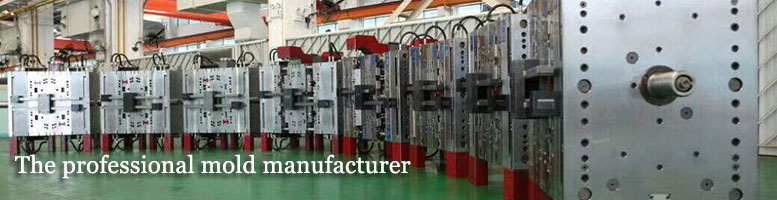
GoodBo Mould offers you the benefits of lower costs coupled with the high engineering and production standards expected in the European, North American and Japan injection moulding industry as well as some big domestic enterprises.We have confidence in our quality, service, and pricing, and we maintain long-term business relationships with customers from countries such as the United States,Canada,Sao Tome and Principe,France,Italy,Andorra. We have received high praise and recognition from our customers.
| Product Name | plastic bucket mould |
| Plastic Materials | PUR(polyurethane),PBTP(poly butylene terephthalate),ABS(acrylonitrile-butadiene-styrene copolymer) ,...etc. |
| Standard | ISO9001 |
| Place of Origin | Shenzhen,Guangdong |
| Other materials | Rubber, Slilconce rubber, LSR,Aluminum, Zinc,Copper...Metal...etc. |
| Quality | RoSH and SGS standard |
| Feature | Non marking and Non flash |
| Size | According to your 2D, 3D Drawing |
| Packaging Size: | 220 * 177 * 186 Please consult us for specific details |
| Package | Standard exported Wooden box packed, Fumigation process(upon required) |
| Mold Building Lead Time | 4 - 5 weeks, Part measurement report (upon required) |
| Export region | Europe,Asia |
| Export Country | Christmas Island,Honduras,Vietnam,India, ...etc. |
| Surface treatment | Polish. Etched. Texture |
| Experience | 15 years experience in plastic injection mold making and plastic parts produce. |
| Mould making technology | 3D Modelling,Plastic flow/deform simulation...etc. |
| Hot/ Cold Runner | HUSKY, INCOE, YDDO, HASCO, DME, MoldMaster, Masterflow, Mastip...etc. |
| Mould Life | 500000 Shots. (According to your working environment.) |
| Equipments | EDM ,Grinding machine,Stamping equipment,CMM,Drilling machines...etc. |
| Lead time (days) | To be negotiated |
GoodBo Mould is one of the leading plastic bucket mould manufacturers in China, and our mission is to provide customers with high-quality products and the highest quality service.
At GoodBo Mould we have invested in both people and technology to ensure that our designs meet your highest expectations. Our experienced mold designers utilize the latest software to directly take the clients CAD model into design. All mold designs are then validated to our clients tooling standards and molding specifications.
Our engineering and mold making technology include:SolidWorks(3D Modelling),Pro/Engineer(3D Modelling),Moldflow Mold Advisor(Plastic flow/deform simulation),AutoCad(2D Modelling),etc.
plastic bucket mould---FAQs Guide
2.Are there any special solutions for making plastic bucket mould with deep walls or complex shapes?
3.How do plastic bucket mould help to reduce production costs?
4.What are the advantages and disadvantages of plastic bucket mould made from aluminium?
5.What is the production capacity of the factory for plastic bucket mould?
6.What processes are involved with the conservation and maintenance of a plastic bucket mould?
7.What kind of lubricants are used to reduce plastic bucket mould friction?
8.In what ways can plastic bucket mould cooling be improved?
9.How is the surface of a plastic bucket mould treated to improve its performance?
10.What types of finishes can be applied to plastic bucket mould?
11.About plastic bucket mould production equipment
12.What other factors need to be taken into account when designing a plastic bucket mould?
13.What materials are usually used to make plastic bucket mould?
14.About plastic bucket mould,which materials do you support?
1.What factors affect the lifespan of a plastic bucket mould?
We are centered on customers and always pay attention to customers' needs for plastic bucket mould products.
1. Temperature: Temperature can affect the growth and survival of moulds. Generally, moulds grow best in warm, damp environments. High temperatures can kill some moulds, while low temperatures can slow down their growth.
2. Humidity: High humidity levels can promote the growth of moulds, while low humidity levels can inhibit their growth.
3. Light: Moulds need light to grow, so exposure to light can affect their lifespan.
4. Airflow: Poor air circulation can create an environment that is conducive to mould growth.
5. Nutrients: Moulds need nutrients to survive, so the availability of nutrients can affect their lifespan.
6. pH: The pH of the environment can affect the growth of moulds. Generally, moulds prefer slightly acidic environments.
2.Are there any special solutions for making plastic bucket mould with deep walls or complex shapes?
Our products & services cover a wide range of areas and meet the needs of different fields.Yes, there are several special solutions for making molds with deep walls or complex shapes. These include using a CNC machining process, 3D printing, vacuum forming, and injection molding. Each of these processes has its own advantages and disadvantages, so it is important to consider the specific requirements of the project before deciding which process is best.

3.How do plastic bucket mould help to reduce production costs?
plastic bucket mould is not a product only, but also can help you comes to money-making.Moulds can help to reduce production costs by reducing the amount of time and labour required to produce a product. Moulds can be used to create multiple identical parts quickly and efficiently, eliminating the need for manual labour and reducing the amount of time needed to produce a product. Additionally, moulds can be used to create complex shapes and designs that would be difficult or impossible to create by hand, reducing the need for expensive custom tooling.
4.What are the advantages and disadvantages of plastic bucket mould made from aluminium?
We are a new plastic bucket mould manufacturer.
Advantages:
1. Aluminium is lightweight and strong, making it ideal for creating intricate moulds.
2. Aluminium is a good conductor of heat, which makes it ideal for use in casting processes.
3. Aluminium is corrosion-resistant, making it a great choice for moulds that will be used in wet or humid environments.
4. Aluminium is relatively inexpensive compared to other metals, making it a cost-effective choice for moulds.
Disadvantages:
1. Aluminium is not as strong as other metals, making it more prone to wear and tear.
2. Aluminium is not as durable as other metals, making it more susceptible to damage from heat and pressure.
3. Aluminium is not as easy to work with as other metals, making it more difficult to create intricate moulds.
4. Aluminium is not as resistant to corrosion as other metals, making it more prone to rusting.

5.What is the production capacity of the factory for plastic bucket mould?
The annual manufacturing capacity is around 400-600 sets of various plastic injection moulds for parts of auto parts, home appliances, medical instruments, office appliances and communicating equipments, etc.
6.What processes are involved with the conservation and maintenance of a plastic bucket mould?
We should have a stable supply chain and logistics capabilities, and provide customers with high -quality, low -priced plastic bucket mould products.
1. Cleaning: Moulds should be cleaned regularly to remove any dirt, dust, or debris that may have accumulated on the surface. This can be done with a soft cloth or brush and a mild detergent.
2. Inspection: Inspect the mould for any signs of damage or wear. If any damage is found, it should be repaired or replaced as soon as possible.
3. Lubrication: Moulds should be lubricated regularly to ensure that they are functioning properly and to prevent wear and tear.
4. Storage: Moulds should be stored in a cool, dry place away from direct sunlight and other sources of heat.
5. Maintenance: Regular maintenance should be performed on the mould to ensure that it is functioning properly and to prevent any further damage or wear. This may include replacing worn parts, sharpening cutting edges, and checking for any signs of corrosion.

7.What kind of lubricants are used to reduce plastic bucket mould friction?
We have a good reputation and image in the industry. The quality and price advantage of plastic bucket mould products is an important factor in our hard overseas market.Silicone lubricants, graphite lubricants, and PTFE (polytetrafluoroethylene) lubricants are all commonly used to reduce mould friction.
8.In what ways can plastic bucket mould cooling be improved?
We enjoy high authority and influence in the industry and continue to innovate products and service models.
1. Increase air circulation: Increasing air circulation in the area where the mold is cooling can help to reduce the temperature of the mold more quickly.
2. Use a cooling system: Installing a cooling system such as a water-cooled chiller can help to reduce the temperature of the mold more quickly and efficiently.
3. Use a fan: Installing a fan in the area where the mold is cooling can help to circulate the air and reduce the temperature of the mold more quickly.
4. Use a heat exchanger: Installing a heat exchanger in the area where the mold is cooling can help to transfer the heat away from the mold more quickly.
5. Use a cooling spray: Applying a cooling spray to the mold can help to reduce the temperature of the mold more quickly.
6. Use a cooling blanket: Wrapping a cooling blanket around the mold can help to reduce the temperature of the mold more quickly.

9.How is the surface of a plastic bucket mould treated to improve its performance?
We have established a good reputation and reliable partnerships within the plastic bucket mould industry.The surface of a mould can be treated in a variety of ways to improve its performance. Common treatments include polishing, sandblasting, shot peening, and coating with a release agent. Polishing the surface of the mould can help reduce friction and improve the mould's ability to release parts. Sandblasting can help remove any imperfections or burrs on the surface of the mould. Shot peening can help increase the surface hardness of the mould and improve its wear resistance. Finally, coating the mould with a release agent can help reduce sticking and improve the mould's ability to release parts.
10.What types of finishes can be applied to plastic bucket mould?
We attach importance to the innovation ability and team spirit of employees, have advanced R & D facilities and laboratories, and have a good quality management system.
1. Powder Coating
2. Anodizing
3. Painting
4. Plating
5. Polishing
6. Sandblasting
7. Heat Treating
8. Ceramic Coating
9. Laser Etching
10. Vacuum Metallizing

11.About plastic bucket mould production equipment
Our mold processing equipment mainly includes stamping equipment, CNC machining equipment, electrical discharge machining equipment, wire cutting machines, plasma cutting machines, lathes, milling machines, grinders, drilling machines, and casting equipment.
12.What other factors need to be taken into account when designing a plastic bucket mould?
We have a first -class management team, and we pay attention to teamwork to achieve common goals.
1. The type of material to be used for the mould: Different materials have different properties and require different mould designs.
2. The size and shape of the part to be produced: The mould must be designed to accommodate the size and shape of the part.
3. The number of cavities: The number of cavities in the mould will affect the design.
4. The type of injection moulding machine to be used: The mould must be designed to fit the injection moulding machine.
5. The type of cooling system to be used: The mould must be designed to accommodate the cooling system.
6. The type of ejection system to be used: The mould must be designed to accommodate the ejection system.
7. The type of surface finish to be achieved: The mould must be designed to achieve the desired surface finish.
8. The type of gate to be used: The mould must be designed to accommodate the gate.
9. The type of runner system to be used: The mould must be designed to accommodate the runner system.
10. The type of venting system to be used: The mould must be designed to accommodate the venting system.

13.What materials are usually used to make plastic bucket mould?
We have established long-term and stable partnerships with our suppliers, so we have great advantages in price and cost and quality assurance.Moulds are typically made from metal, plastic, rubber, silicone, or plaster.
14.About plastic bucket mould,which materials do you support?
We offer clients a wide range of materials:ABS(acrylonitrile-butadiene-styrene copolymer), CA(cellulose acetate), AS(acrylonitrile-styrene), GPS(general polystyrene), HDPE(high density polyethylene), LDPE(low density polyethylene), PA(polyamide), PBTP(poly butylene terephthalate), PC(polycarbonate), PE(polyethylene), PETP(poly ethylene terephthalate), PMMA(poly methyl methacrylate), POM(polyformaldehyde), PP(polypropylene),PPO(poly phenylene oxide), PPS(poly phenylene sulfide), PUR(polyurethane), PVC(poly vinyl chloride), TPE(thermoplastic), etc.

Tags:home plastic injection molds,biodegradable plastic bottle caps mold,exported plastic mold,china plastic cap moulds,oem cnc injection mold,vacuum plastic mold