
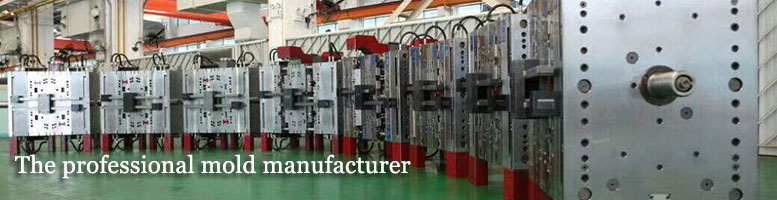
GoodBo Mold provides you with the advantage of low cost, as well as the high engineering and production standards expected by the injection molding industry in Europe, North America, Japan, and some large domestic enterprises. The professional field covers Plastic injection,Plastic mold,Mock up sample,Mold standard components,Die Casting Mold,Blow Molding. GoodBo Mold is willing to cooperate with our customers with good quality and perfect service. GoodBo Mold has global customers such as HP,Media,KONKA,Haier,Ford,FAW-Volkswagen,Samsung,HONDA,Canon,etc.
| Shaping Mode | Injection Mould |
| Place of Origin | China |
| Mould making technology | CNC Programming,2D Modelling...etc. |
| Product Material | Plastic/Metal |
| Colors | Customized Colors |
| Product Name | complex injection mold |
| Mold material | P20/718/738/NAK80/S136 |
| Material | PUR(polyurethane),CA(cellulose acetate),AS(acrylonitrile-styrene)...etc. |
| Design software | CAD/PROE/UG/3D/DWG/IGS/STEP/PDF/JPG |
| Cavity | Single/Multi Cavity moulds |
| Mould life | 450000 shots |
| Application | Defence,White Goods,Marine...etc. |
| Runner | Cold Runner. Hot Runner: Yudo |
| Surface treatment | Polish. Etched. Texture |
| Certification | ISO9001:2015 |
| Size(cm) | 168 * 149 * 244 Please consult us for specific details |
| Packaging Details | 1. injection mold: by pallet or as buyer's request. 2. injection parts: by bags then export carton, or as buyer's request. |
| Export region | America,Europe |
| Port | Shenzhen |
| Supply Ability | 3000 Piece/Pieces per Day Please contact the us to check the exact delivery time |
| Samples | Maximum order quantity: 1000 piece Please contact us to confirmation |
GoodBo Mould is one of the leading complex injection mold manufacturers in China, and our mission is to provide customers with high-quality products and the highest quality service.
Excellent and adequate processing equipments, and normalized and efficient production management are the guarantee for mould quality and delivery.
GoodBo Mould continuous investment in our mold making facilities has kept the company at the forefront of quality injection mold making. Backed up by our experienced mold maker and management personnel, our philosophy is: DO IT RIGHT THE FIRST TIME, EVERY TIME. Short lead-time,24-hours operations to meet your needs,Complete In-House Mold-Making Facilities,Manufacture of both simple and complex molds and molding parts,etc.
complex injection mold---FAQs Guide
2.What are the advantages and disadvantages of using a 3D printed complex injection mold?
3.What kind of lubricants are used to reduce complex injection mold friction?
4.What is the difference between an injection mould and a compression complex injection mold?
5.What processes are involved with the conservation and maintenance of a complex injection mold?
6.What type of steel is normally used for a complex injection mold?
7.How important is the accuracy of a complex injection mold?
8.What type of runner and gate systems are incorporated into the complex injection mold design?
9.What technologies are used to produce higher quality complex injection mold?
10.What training and support are provided for users working with the complex injection mold?
11.What other factors need to be taken into account when designing a complex injection mold?
12.What are the after-sales services available for complex injection mold?
13.What type of cooling system is integrated into the complex injection mold, and how efficiently does it dissipate heat?
14.What is the significance of angle control in complex injection mold?
15.What is the difference between cast and machined complex injection mold?
1.How is the surface of a complex injection mold treated to improve its performance?
We have established a good reputation and reliable partnerships within the complex injection mold industry.The surface of a mould can be treated in a variety of ways to improve its performance. Common treatments include polishing, sandblasting, shot peening, and coating with a release agent. Polishing the surface of the mould can help reduce friction and improve the mould's ability to release parts. Sandblasting can help remove any imperfections or burrs on the surface of the mould. Shot peening can help increase the surface hardness of the mould and improve its wear resistance. Finally, coating the mould with a release agent can help reduce sticking and improve the mould's ability to release parts.
2.What are the advantages and disadvantages of using a 3D printed complex injection mold?
We should enjoy a good reputation in the industry, and we can increase the added value of the products of cooperative customers through technological innovation.Advantages:
1. Cost-Effective: 3D printed moulds are much cheaper than traditional moulds, making them a great option for small businesses and startups.
2. Quick Turnaround: 3D printed moulds can be produced quickly, allowing for faster product development and prototyping.
3. Versatility: 3D printed moulds can be used to create complex shapes and designs that would be difficult to achieve with traditional moulds.
4. Customization: 3D printed moulds can be customized to fit specific needs, allowing for greater flexibility in product design.
Disadvantages:
1. Limited Durability: 3D printed moulds are not as durable as traditional moulds and may not be able to withstand the same level of wear and tear.
2. Limited Materials: 3D printed moulds are limited to the materials that can be used in the printing process, which may not be suitable for certain applications.
3. Limited Accuracy: 3D printed moulds may not be as accurate as traditional moulds, which can lead to imperfections in the finished product.
4. Limited Finishes: 3D printed moulds may not be able to achieve the same level of finish as traditional moulds, which can affect the overall quality of the product.
3.What kind of lubricants are used to reduce complex injection mold friction?
We have a good reputation and image in the industry. The quality and price advantage of complex injection mold products is an important factor in our hard overseas market.Silicone lubricants, graphite lubricants, and PTFE (polytetrafluoroethylene) lubricants are all commonly used to reduce mould friction.
4.What is the difference between an injection mould and a compression complex injection mold?
We have been working hard to improve service quality and meet customer needs.An injection mould is a tool used to produce plastic parts by injecting molten material into a mould cavity. The molten material is injected under pressure and cooled to form the desired shape. A compression mould is a tool used to produce plastic parts by pressing a preheated plastic material into a mould cavity. The material is then cooled and hardened to form the desired shape. The main difference between an injection mould and a compression mould is the way in which the molten material is introduced into the mould cavity.
5.What processes are involved with the conservation and maintenance of a complex injection mold?
We should have a stable supply chain and logistics capabilities, and provide customers with high -quality, low -priced complex injection mold products.
1. Cleaning: Moulds should be cleaned regularly to remove any dirt, dust, or debris that may have accumulated on the surface. This can be done with a soft cloth or brush and a mild detergent.
2. Inspection: Inspect the mould for any signs of damage or wear. If any damage is found, it should be repaired or replaced as soon as possible.
3. Lubrication: Moulds should be lubricated regularly to ensure that they are functioning properly and to prevent wear and tear.
4. Storage: Moulds should be stored in a cool, dry place away from direct sunlight and other sources of heat.
5. Maintenance: Regular maintenance should be performed on the mould to ensure that it is functioning properly and to prevent any further damage or wear. This may include replacing worn parts, sharpening cutting edges, and checking for any signs of corrosion.

6.What type of steel is normally used for a complex injection mold?
We focus on our customers' needs and strive to meet their expectations, so we take this very seriously.
Tool steel is typically used for moulds. Common types of tool steel include high-speed steel, hot-work steel, cold-work steel, shock-resistant steel, and plastic mould steel.
7.How important is the accuracy of a complex injection mold?
We operate our complex injection mold business with integrity and honesty.The accuracy of a mould is extremely important, as it directly affects the quality of the finished product. If the mould is not accurate, the product may not fit together properly, or may not have the desired shape or size. In addition, if the mould is not accurate, it can lead to defects in the finished product, such as warping, cracking, or other imperfections.
8.What type of runner and gate systems are incorporated into the complex injection mold design?
We continue to invest in research and development and continue to launch innovative products.The type of runner and gate systems incorporated into the mold design depend on the type of part being molded and the desired outcome. Common runner and gate systems include cold runner systems, hot runner systems, direct gating, edge gating, and valve gating.
9.What technologies are used to produce higher quality complex injection mold?
We pay attention to employee development and benefits, and provide a good working environment in order to improve the efficiency of employees and improve the quality management of complex injection mold products.
1. Computer Numerical Control (CNC) Machining: CNC machining is a process that uses computer-controlled machines to cut and shape materials into precise shapes and sizes. This technology is used to produce higher quality moulds with greater accuracy and repeatability.
2. 3D Printing: 3D printing is a process that uses a digital model to create a physical object. This technology is used to produce complex moulds with intricate details and shapes.
3. Laser Cutting: Laser cutting is a process that uses a laser beam to cut and shape materials into precise shapes and sizes. This technology is used to produce higher quality moulds with greater accuracy and repeatability.
4. Vacuum Forming: Vacuum forming is a process that uses a vacuum to form plastic sheets into desired shapes. This technology is used to produce higher quality moulds with greater accuracy and repeatability.
5. Injection Moulding: Injection moulding is a process that uses a heated plastic material to form a desired shape. This technology is used to produce higher quality moulds with greater accuracy and repeatability.
10.What training and support are provided for users working with the complex injection mold?
Our complex injection mold products have competitive and differentiated advantages, and actively promote digital transformation and innovation.Training and support for users working with the mold will vary depending on the manufacturer. Generally, the manufacturer will provide detailed instructions on how to use the mold, as well as safety guidelines. They may also provide technical support and troubleshooting assistance. Additionally, some manufacturers may offer on-site training and support for users.

11.What other factors need to be taken into account when designing a complex injection mold?
We have a first -class management team, and we pay attention to teamwork to achieve common goals.
1. The type of material to be used for the mould: Different materials have different properties and require different mould designs.
2. The size and shape of the part to be produced: The mould must be designed to accommodate the size and shape of the part.
3. The number of cavities: The number of cavities in the mould will affect the design.
4. The type of injection moulding machine to be used: The mould must be designed to fit the injection moulding machine.
5. The type of cooling system to be used: The mould must be designed to accommodate the cooling system.
6. The type of ejection system to be used: The mould must be designed to accommodate the ejection system.
7. The type of surface finish to be achieved: The mould must be designed to achieve the desired surface finish.
8. The type of gate to be used: The mould must be designed to accommodate the gate.
9. The type of runner system to be used: The mould must be designed to accommodate the runner system.
10. The type of venting system to be used: The mould must be designed to accommodate the venting system.
12.What are the after-sales services available for complex injection mold?
GoodBo Mould uses a integrated approach to establish the best process for the manufacturing of your product. Once the production is in place we use web-based communication, design and file transfer tools that streamline every step processing and fulfilling the project.All project management teams communicate in English.
13.What type of cooling system is integrated into the complex injection mold, and how efficiently does it dissipate heat?
I have a comprehensive after -sales service system, which can pay attention to market trends in time and adjust our strategy in a timely manner.The type of cooling system integrated into the mold depends on the specific mold design and the materials used. Generally, cooling systems are designed to dissipate heat as efficiently as possible, using a combination of water, air, and/or oil to cool the mold. The efficiency of the cooling system depends on the size and complexity of the mold, as well as the materials used.
14.What is the significance of angle control in complex injection mold?
We have advanced production equipment and technology to meet the needs of customers, and can provide customers with high quality, low priced complex injection mold products.Angle control in moulds is important for ensuring that the finished product has the desired shape and dimensions. It is also important for controlling the flow of molten material during the injection moulding process. Angle control helps to ensure that the molten material is evenly distributed throughout the mould cavity, which helps to reduce the risk of defects in the finished product. Additionally, angle control helps to reduce the risk of warping and other deformities in the finished product.
15.What is the difference between cast and machined complex injection mold?
We actively participate in the complex injection mold industry associations and organization activities. The corporate social responsibility performed well, and the focus of brand building and promotionCast moulds are made by pouring molten metal into a mould cavity, while machined moulds are made by cutting and shaping metal with a machine tool. Cast moulds are typically used for low-volume production, while machined moulds are used for high-volume production. Cast moulds are generally less expensive and faster to produce, while machined moulds are more precise and can produce more complex shapes.

Tags:plastic extrusion mould,uv injection molding,plastic rock chair molds,household plastic moulds,wca plastic molding,hips injection mold