
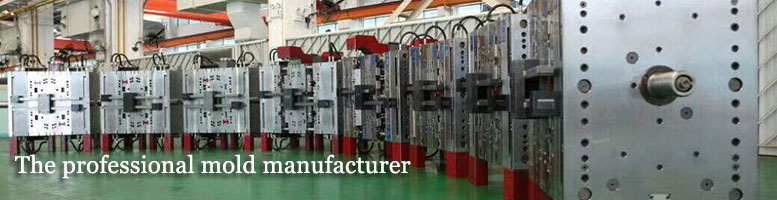
We can meet various requirements from different types of customers. We pursue the management tenet of Quality is superior.The area of expertise covers Plastic mold,Die Casting Mold,Blow Molding,Multi color injection molding,Mock up sample,Mold standard components, etc.GoodBo Mould designs, makes mold and manufactures injection molded products and parts for a wide variety of industries. GoodBo Mould has our global customers such as Canon,FAW-Volkswagen,Ford,HONDA,Sony,Samsung,KONKA,Media,Haier,Nissan,etc.
| Shaping Mode | Injection Mould |
| Place of Origin | Shenzhen,Guangdong |
| Mould making technology | CNC Programming,2D Modelling...etc. |
| Product Material | Plastic/Metal |
| Colors | Customized Colors |
| Product Name | china plastict molds |
| Mold material | P20/718/738/NAK80/S136 |
| Material | LDPE(low density polyethylene),PC(polycarbonate),PE(polyethylene)...etc. |
| Design software | CAD/PROE/UG/3D/DWG/IGS/STEP/PDF/JPG |
| Cavity | Single/Multi Cavity moulds |
| Mould life | 500000 shots |
| Application | White Goods,Medical,FMCG...etc. |
| Runner | Cold Runner. Hot Runner: Yudo |
| Surface treatment | Polish. Etched. Texture |
| Certification | ISO9001:2015 |
| Size(cm) | 155 * 134 * 229 Please consult us for specific details |
| Packaging Details | 1. injection mold: by pallet or as buyer's request. 2. injection parts: by bags then export carton, or as buyer's request. |
| Export region | America,Europe,Asia |
| Port | Shenzhen |
| Supply Ability | 3000 Piece/Pieces per Day Please contact the us to check the exact delivery time |
| Samples | Maximum order quantity: 1000 piece Please contact us to confirmation |
GoodBo Mould is one of the leading china plastict molds manufacturers in China, and our mission is to provide customers with high-quality products and the highest quality service.
GoodBo Mould uses a integrated approach to establish the best process for the manufacturing of your product. Once the production is in place we use web-based communication, design and file transfer tools that streamline every step processing and fulfilling the project.
Files can be imported and exported in all common formats, including: STP,DWG,IGES,PRT, etc. If your files are in another format, contact your project manager and we can arrange to accommodate your needs. File transfers are done via FTP or E-mails. To quickly and easily transfer a design file to GoodBo Mould, contact your project manager for instructions.
china plastict molds---FAQs Guide
2.What type of part ejection system does the china plastict molds use, and how does it ensure smooth ejection without defects?
3.How can a china plastict molds be corrosion-resistant?
4.What are the advantages and disadvantages of china plastict molds made from aluminium?
5.What kind of cooling systems are used for moulding?
6.Does the china plastict molds support multi-cavity configurations for simultaneous production of multiple units?
7.How do china plastict molds hardness and mould flexibility affect its performance?
8.What are the after-sales services available for china plastict molds?
9.What techniques are used to remove excess material from a china plastict molds during the moulding process?
10.What are the most important features of a china plastict molds?
11.About the scale of china plastict molds factory
12.How to make a mould?
13.What type of cooling system is integrated into the china plastict molds, and how efficiently does it dissipate heat?
14.What safety precautions should be taken when using china plastict molds?
15.What kind of lubricants are used to reduce china plastict molds friction?
16.Are there automated features integrated into the china plastict molds to streamline the manufacturing process?
1.What types of machines are needed to produce a china plastict molds?
Our company has many years of china plastict molds experience and expertise.The types of machines needed to produce a mould depend on the type of mould being produced. Generally, machines such as CNC milling machines, lathes, grinders, and EDM machines are used to produce moulds. In addition, injection moulding machines may be used to produce plastic moulds.
2.What type of part ejection system does the china plastict molds use, and how does it ensure smooth ejection without defects?
We focus on providing high quality china plastict molds products and services.The type of part ejection system used in a mold depends on the type of mold and the complexity of the part being molded. Generally, the most common type of part ejection system is a mechanical ejector system, which uses pins, blades, or other mechanical components to push the part out of the mold. This system ensures smooth ejection without defects by providing a consistent force to the part, which prevents it from sticking to the mold or becoming damaged during the ejection process. Additionally, the ejector system can be adjusted to provide the optimal amount of force for the part being molded.

3.How can a china plastict molds be corrosion-resistant?
We have a wide range of china plastict molds customer groups and establishes long -term cooperative relationships with partners. The countries we provide services include Coral Sea Islands,Russia,Senegal,Haiti,Cambodia.Moulds can be made corrosion-resistant by using materials such as stainless steel, aluminum, and other alloys that are resistant to corrosion. Additionally, the moulds can be coated with a corrosion-resistant material such as a paint or a powder coating.
4.What are the advantages and disadvantages of china plastict molds made from aluminium?
We are a new china plastict molds manufacturer.
Advantages:
1. Aluminium is lightweight and strong, making it ideal for creating intricate moulds.
2. Aluminium is a good conductor of heat, which makes it ideal for use in casting processes.
3. Aluminium is corrosion-resistant, making it a great choice for moulds that will be used in wet or humid environments.
4. Aluminium is relatively inexpensive compared to other metals, making it a cost-effective choice for moulds.
Disadvantages:
1. Aluminium is not as strong as other metals, making it more prone to wear and tear.
2. Aluminium is not as durable as other metals, making it more susceptible to damage from heat and pressure.
3. Aluminium is not as easy to work with as other metals, making it more difficult to create intricate moulds.
4. Aluminium is not as resistant to corrosion as other metals, making it more prone to rusting.

5.What kind of cooling systems are used for moulding?
We have advantages in marketing and channel expansion. Suppliers have established good cooperative relations, continuously improved workflows, improved efficiency and productivity, and provided customers with high -quality products and services.The most common cooling systems used for moulding are water cooling systems, air cooling systems, and oil cooling systems. Water cooling systems are the most efficient and cost-effective, as they use a closed-loop system to circulate coolant through the mould to quickly cool the plastic. Air cooling systems use fans to blow air over the mould to cool it, while oil cooling systems use a heat exchanger to transfer heat from the mould to a cooling oil.
6.Does the china plastict molds support multi-cavity configurations for simultaneous production of multiple units?
We have broad development space in domestic and foreign markets. china plastict molds have great advantages in terms of price, quality, and delivery date.Yes, many molds are designed to support multi-cavity configurations for simultaneous production of multiple units.

7.How do china plastict molds hardness and mould flexibility affect its performance?
We pay attention to user experience and product quality, and provide the best product quality and lowest production cost for cooperative customers.Mould hardness and mould flexibility can have a significant impact on the performance of a mould. Harder moulds are more durable and can withstand higher temperatures and pressures, making them ideal for high-volume production. However, they are also more difficult to modify and can be more expensive to produce. On the other hand, softer moulds are more flexible and can be modified more easily, making them ideal for low-volume production. However, they are also more prone to wear and tear and can be less durable.
8.What are the after-sales services available for china plastict molds?
GoodBo Mould uses a integrated approach to establish the best process for the manufacturing of your product. Once the production is in place we use web-based communication, design and file transfer tools that streamline every step processing and fulfilling the project.All project management teams communicate in English.

9.What techniques are used to remove excess material from a china plastict molds during the moulding process?
We maintain a stable growth through reasonable capital operations, focus on industry development trends and cutting -edge technologies, and focus on product quality and safety performance.
1. Trimming: This is the most common technique used to remove excess material from a mould. It involves using a sharp tool to cut away the excess material.
2. Sanding: This technique involves using sandpaper to sand down the excess material.
3. Grinding: This technique involves using a grinding wheel to grind away the excess material.
4. Drilling: This technique involves using a drill to drill away the excess material.
5. Blasting: This technique involves using a blasting material such as sand or glass beads to blast away the excess material.
10.What are the most important features of a china plastict molds?
We continue to improve china plastict molds products and processes to improve efficiency.
1. Durability: The mould should be able to withstand the high temperatures and pressures of the injection moulding process.
2. Precision: The mould should be able to produce parts with a high degree of accuracy and repeatability.
3. Surface Finish: The mould should be able to produce parts with a smooth, consistent surface finish.
4. Ease of Maintenance: The mould should be easy to maintain and repair.
5. Cost: The mould should be cost-effective to produce and maintain.

11.About the scale of china plastict molds factory
Our company currently has over 200 employees and produces around 400-600 sets of various plastic injection molds annually.
12.How to make a mould?
We focus on innovation and continuous improvement to maintain a competitive advantage.
1. Start by gathering the materials you need to make the mould. You will need a container to hold the mould, a material to make the mould from (such as silicone, plaster, or clay), and a release agent (such as petroleum jelly or cooking spray).
2. Prepare the container for the mould. Make sure it is clean and dry, and then apply a release agent to the inside of the container. This will help the mould come out of the container easily when it is finished.
3. Mix the material you are using to make the mould. Follow the instructions on the package for the best results.
4. Pour the mixture into the container and spread it evenly. Make sure to fill the container completely and leave no air pockets.
5. Allow the mould to dry completely. Depending on the material you are using, this could take anywhere from a few hours to a few days.
6. Once the mould is dry, carefully remove it from the container. If necessary, use a knife or other tool to help loosen the edges of the mould.
7. Your mould is now ready to use!

13.What type of cooling system is integrated into the china plastict molds, and how efficiently does it dissipate heat?
I have a comprehensive after -sales service system, which can pay attention to market trends in time and adjust our strategy in a timely manner.The type of cooling system integrated into the mold depends on the specific mold design and the materials used. Generally, cooling systems are designed to dissipate heat as efficiently as possible, using a combination of water, air, and/or oil to cool the mold. The efficiency of the cooling system depends on the size and complexity of the mold, as well as the materials used.
14.What safety precautions should be taken when using china plastict molds?
We pay attention to the transformation of intellectual property protection and innovation achievements. Your OEM or ODM order design we have a complete confidentiality system.
1. Wear protective gloves, goggles, and a face mask when handling moulds.
2. Avoid breathing in mould spores by working in a well-ventilated area.
3. Clean and disinfect moulds before and after use.
4. Avoid contact with skin and eyes.
5. Dispose of moulds properly after use.
6. Store moulds in a dry, cool place away from direct sunlight.
7. Wear long sleeves and pants when working with moulds.
8. Avoid eating or drinking while working with moulds.
9. Wash hands thoroughly after handling moulds.
10. Use a dust mask when sanding or grinding moulds.

15.What kind of lubricants are used to reduce china plastict molds friction?
We have a good reputation and image in the industry. The quality and price advantage of china plastict molds products is an important factor in our hard overseas market.Silicone lubricants, graphite lubricants, and PTFE (polytetrafluoroethylene) lubricants are all commonly used to reduce mould friction.
16.Are there automated features integrated into the china plastict molds to streamline the manufacturing process?
We adhere to the principle of quality first and have a complete production quality management system and quality inspection process.Yes, many molds are designed with automated features to streamline the manufacturing process. These features can include automated injection systems, automated ejection systems, automated temperature control systems, and automated molding cycles.

Tags:pet plastic molding,injection mold for sensors,hpm injection molding,appliance injection mold