
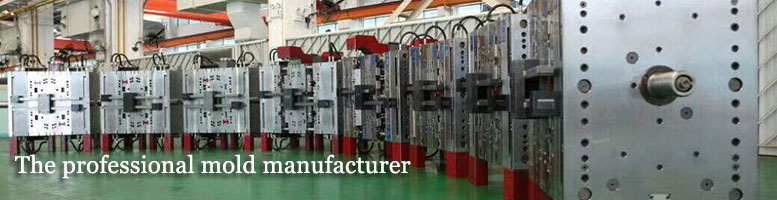
All of our products meet international quality standards and are highly appreciated in various markets around the world. We have over 200 employees and annual produce around 400-600 sets of various plastic injection molds, including communicating equipments,medical instruments,home appliances,office appliances, etc. Our well-equipped facilities and excellent quality control throughout the entire production phase enable us to ensure comprehensive customer satisfaction.
| Product Name | cast injection mold |
| Plastic Materials | TPE(thermoplastic),PPS(poly phenylene sulfide),PMMA(poly methyl methacrylate) ,...etc. |
| Standard | ISO9001 |
| Place of Origin | Shenzhen,Guangdong,China |
| Other materials | Rubber, Slilconce rubber, LSR,Aluminum, Zinc,Copper...Metal...etc. |
| Quality | RoSH and SGS standard |
| Feature | Non marking and Non flash |
| Size | According to your 2D, 3D Drawing |
| Packaging Size: | 189 * 122 * 161 Please consult us for specific details |
| Package | Standard exported Wooden box packed, Fumigation process(upon required) |
| Mold Building Lead Time | 4 - 5 weeks, Part measurement report (upon required) |
| Export region | Africa,Europe,Oceania |
| Export Country | Burkina Faso,Canada,Vanuatu,British Indian Ocean Territory, ...etc. |
| Surface treatment | Polish. Etched. Texture |
| Experience | 15 years experience in plastic injection mold making and plastic parts produce. |
| Mould making technology | CNC Programming,3D Modelling...etc. |
| Hot/ Cold Runner | HUSKY, INCOE, YDDO, HASCO, DME, MoldMaster, Masterflow, Mastip...etc. |
| Mould Life | 400000 Shots. (According to your working environment.) |
| Equipments | Stamping equipment,Grinding machine,CMM,Milling machine,CNC,Drilling machines...etc. |
| Lead time (days) | To be negotiated |
GoodBo Mould is one of the leading cast injection mold manufacturers in China, and our mission is to provide customers with high-quality products and the highest quality service.
At GoodBo Mould we have invested in both people and technology to ensure that our designs meet your highest expectations. Our experienced mold designers utilize the latest software to directly take the clients CAD model into design. All mold designs are then validated to our clients tooling standards and molding specifications.
Our engineering and mold making technology include:Pro/Engineer(3D Modelling),Moldflow Mold Advisor(Plastic flow/deform simulation),SolidWorks(3D Modelling),AutoCad(2D Modelling),etc.
cast injection mold---FAQs Guide
2.What types of machines are needed to produce a cast injection mold?
3.What is the significance of angle control in cast injection mold?
4.About cast injection mold,which materials do you support?
5.What is the difference between cast and machined cast injection mold?
6.What technologies are used to produce higher quality cast injection mold?
7.Is the cast injection mold adaptable to different injection molding machines?
8.How does the quality of a cast injection mold affect its production speed?
9.How does shrinkage of the material being moulded affect the finished product?
10.What are the advantages and disadvantages of cast injection mold made from aluminium?
11.How does the size of the gate in a cast injection mold affect the speed of the moulding process?
1.What kind of cooling systems are used for moulding?
We have advantages in marketing and channel expansion. Suppliers have established good cooperative relations, continuously improved workflows, improved efficiency and productivity, and provided customers with high -quality products and services.The most common cooling systems used for moulding are water cooling systems, air cooling systems, and oil cooling systems. Water cooling systems are the most efficient and cost-effective, as they use a closed-loop system to circulate coolant through the mould to quickly cool the plastic. Air cooling systems use fans to blow air over the mould to cool it, while oil cooling systems use a heat exchanger to transfer heat from the mould to a cooling oil.
2.What types of machines are needed to produce a cast injection mold?
Our company has many years of cast injection mold experience and expertise.The types of machines needed to produce a mould depend on the type of mould being produced. Generally, machines such as CNC milling machines, lathes, grinders, and EDM machines are used to produce moulds. In addition, injection moulding machines may be used to produce plastic moulds.
3.What is the significance of angle control in cast injection mold?
We have advanced production equipment and technology to meet the needs of customers, and can provide customers with high quality, low priced cast injection mold products.Angle control in moulds is important for ensuring that the finished product has the desired shape and dimensions. It is also important for controlling the flow of molten material during the injection moulding process. Angle control helps to ensure that the molten material is evenly distributed throughout the mould cavity, which helps to reduce the risk of defects in the finished product. Additionally, angle control helps to reduce the risk of warping and other deformities in the finished product.

4.About cast injection mold,which materials do you support?
We offer clients a wide range of materials:ABS(acrylonitrile-butadiene-styrene copolymer), CA(cellulose acetate), AS(acrylonitrile-styrene), GPS(general polystyrene), HDPE(high density polyethylene), LDPE(low density polyethylene), PA(polyamide), PBTP(poly butylene terephthalate), PC(polycarbonate), PE(polyethylene), PETP(poly ethylene terephthalate), PMMA(poly methyl methacrylate), POM(polyformaldehyde), PP(polypropylene),PPO(poly phenylene oxide), PPS(poly phenylene sulfide), PUR(polyurethane), PVC(poly vinyl chloride), TPE(thermoplastic), etc.
5.What is the difference between cast and machined cast injection mold?
We actively participate in the cast injection mold industry associations and organization activities. The corporate social responsibility performed well, and the focus of brand building and promotionCast moulds are made by pouring molten metal into a mould cavity, while machined moulds are made by cutting and shaping metal with a machine tool. Cast moulds are typically used for low-volume production, while machined moulds are used for high-volume production. Cast moulds are generally less expensive and faster to produce, while machined moulds are more precise and can produce more complex shapes.
6.What technologies are used to produce higher quality cast injection mold?
We pay attention to employee development and benefits, and provide a good working environment in order to improve the efficiency of employees and improve the quality management of cast injection mold products.
1. Computer Numerical Control (CNC) Machining: CNC machining is a process that uses computer-controlled machines to cut and shape materials into precise shapes and sizes. This technology is used to produce higher quality moulds with greater accuracy and repeatability.
2. 3D Printing: 3D printing is a process that uses a digital model to create a physical object. This technology is used to produce complex moulds with intricate details and shapes.
3. Laser Cutting: Laser cutting is a process that uses a laser beam to cut and shape materials into precise shapes and sizes. This technology is used to produce higher quality moulds with greater accuracy and repeatability.
4. Vacuum Forming: Vacuum forming is a process that uses a vacuum to form plastic sheets into desired shapes. This technology is used to produce higher quality moulds with greater accuracy and repeatability.
5. Injection Moulding: Injection moulding is a process that uses a heated plastic material to form a desired shape. This technology is used to produce higher quality moulds with greater accuracy and repeatability.

7.Is the cast injection mold adaptable to different injection molding machines?
We are committed to providing personalized solutions and established long -term strategic cooperative relationships with customers.Yes, the mold can be adapted to different injection molding machines. Depending on the type of mold and the complexity of the part, some modifications may be necessary.
8.How does the quality of a cast injection mold affect its production speed?
As one of the cast injection mold market leaders, we are known for innovation and reliability.
The quality of a mould affects its production speed because a higher quality mould will be more precise and have fewer imperfections, which will allow it to produce parts faster and with fewer defects. Poorly made moulds can cause production delays due to imperfections that require additional time to fix or rework. Additionally, higher quality moulds are typically made from higher quality materials, which can also help to increase production speed.
9.How does shrinkage of the material being moulded affect the finished product?
We have rich industry experience and professional knowledge, and have strong competitiveness in the market.Shrinkage of the material being moulded can affect the finished product in a variety of ways. If the material shrinks too much, it can cause warping, cracking, or other deformities in the finished product. It can also cause the product to be smaller than expected, or to have a different shape than intended. Additionally, shrinkage can cause the product to have a different surface finish than expected, or to have a different color than intended.

10.What are the advantages and disadvantages of cast injection mold made from aluminium?
We are a new cast injection mold manufacturer.
Advantages:
1. Aluminium is lightweight and strong, making it ideal for creating intricate moulds.
2. Aluminium is a good conductor of heat, which makes it ideal for use in casting processes.
3. Aluminium is corrosion-resistant, making it a great choice for moulds that will be used in wet or humid environments.
4. Aluminium is relatively inexpensive compared to other metals, making it a cost-effective choice for moulds.
Disadvantages:
1. Aluminium is not as strong as other metals, making it more prone to wear and tear.
2. Aluminium is not as durable as other metals, making it more susceptible to damage from heat and pressure.
3. Aluminium is not as easy to work with as other metals, making it more difficult to create intricate moulds.
4. Aluminium is not as resistant to corrosion as other metals, making it more prone to rusting.
11.How does the size of the gate in a cast injection mold affect the speed of the moulding process?
We are a professional cast injection mold company dedicated to providing high quality products and services.The size of the gate in a mould affects the speed of the moulding process because it determines the amount of material that can be injected into the mould at one time. A larger gate size allows for more material to be injected at once, which can speed up the moulding process. However, a larger gate size can also lead to increased cycle times due to the increased amount of material that needs to be cooled before the mould can be opened.
Tags:recycled plastic injection molds,fiberglass injection molds,large plastic mould,diamond plastic mold