
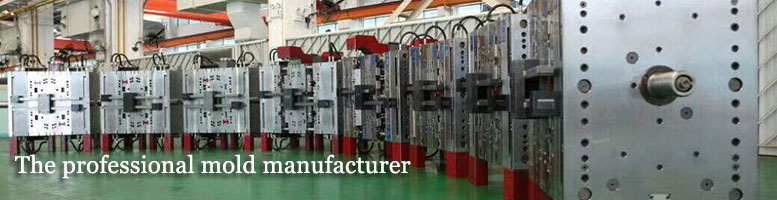
We provide you with the advantage of low cost, as well as the high production standards of the injection molding industry in Europe, North America, and Japan, as well as some large domestic enterprises. GoodBo Mould has a professional management team and adopts a modern horizontal open management model. We can provide your mold manufacturer with the necessary tools, products, and solutions. We currently collaborate with global clients such as Haier,HONDA,HP,Media,Sony,Ford,Samsung,Nissan,Hyundai . We provide flexible services, offering small quantities of assembled and precision machined parts.
| Shaping Mode | Injection Mould |
| Place of Origin | Shenzhen,China |
| Mould making technology | CNC Programming,2D Modelling...etc. |
| Product Material | Plastic/Metal |
| Colors | Customized Colors |
| Product Name | plastic injection mold |
| Mold material | P20/718/738/NAK80/S136 |
| Material | AS(acrylonitrile-styrene),HDPE(high density polyethylene),PPO(poly phenylene oxide)...etc. |
| Design software | CAD/PROE/UG/3D/DWG/IGS/STEP/PDF/JPG |
| Cavity | Single/Multi Cavity moulds |
| Mould life | 400000 shots |
| Application | Marine,Defence,White Goods...etc. |
| Runner | Cold Runner. Hot Runner: Yudo |
| Surface treatment | Polish. Etched. Texture |
| Certification | ISO9001:2015 |
| Size(cm) | 204 * 119 * 162 Please consult us for specific details |
| Packaging Details | 1. injection mold: by pallet or as buyer's request. 2. injection parts: by bags then export carton, or as buyer's request. |
| Export region | Asia,America,Europe |
| Port | Shenzhen |
| Supply Ability | 3000 Piece/Pieces per Day Please contact the us to check the exact delivery time |
| Samples | Maximum order quantity: 1000 piece Please contact us to confirmation |
GoodBo Mould is one of the leading plastic injection mold manufacturers in China, and our mission is to provide customers with high-quality products and the highest quality service.
GoodBo Mould uses a integrated approach to establish the best process for the manufacturing of your product. Once the production is in place we use web-based communication, design and file transfer tools that streamline every step processing and fulfilling the project.
Files can be imported and exported in all common formats, including: IGES,DWG,PRT,DXF, etc. If your files are in another format, contact your project manager and we can arrange to accommodate your needs. File transfers are done via FTP or E-mails. To quickly and easily transfer a design file to GoodBo Mould, contact your project manager for instructions.
plastic injection mold---FAQs Guide
2.About plastic injection mold production equipment
3.What type of part ejection system does the plastic injection mold use, and how does it ensure smooth ejection without defects?
4.What is the difference between an injection mould and a compression plastic injection mold?
5.What plastic injection mold maintenance methods can be used to extend the mold’s service life?
6.What should be taken into consideration when selecting a plastic injection mold for a certain application?
7.what is mould?
8.What safety precautions should be taken when using plastic injection mold?
9.About plastic injection mold warranty
10.How to make a mould?
11.Does the plastic injection mold design comply with industry standards and regulations?
12.What type of steel is normally used for a plastic injection mold?
13.What type of runner and gate systems are incorporated into the plastic injection mold design?
14.What are the common types of plastic injection mold used for metal alloys?
15.How important is the accuracy of a plastic injection mold?
16.What technologies are used to produce higher quality plastic injection mold?
1.What other factors need to be taken into account when designing a plastic injection mold?
We have a first -class management team, and we pay attention to teamwork to achieve common goals.
1. The type of material to be used for the mould: Different materials have different properties and require different mould designs.
2. The size and shape of the part to be produced: The mould must be designed to accommodate the size and shape of the part.
3. The number of cavities: The number of cavities in the mould will affect the design.
4. The type of injection moulding machine to be used: The mould must be designed to fit the injection moulding machine.
5. The type of cooling system to be used: The mould must be designed to accommodate the cooling system.
6. The type of ejection system to be used: The mould must be designed to accommodate the ejection system.
7. The type of surface finish to be achieved: The mould must be designed to achieve the desired surface finish.
8. The type of gate to be used: The mould must be designed to accommodate the gate.
9. The type of runner system to be used: The mould must be designed to accommodate the runner system.
10. The type of venting system to be used: The mould must be designed to accommodate the venting system.
2.About plastic injection mold production equipment
Our mold processing equipment mainly includes stamping equipment, CNC machining equipment, electrical discharge machining equipment, wire cutting machines, plasma cutting machines, lathes, milling machines, grinders, drilling machines, and casting equipment.
3.What type of part ejection system does the plastic injection mold use, and how does it ensure smooth ejection without defects?
We focus on providing high quality plastic injection mold products and services.The type of part ejection system used in a mold depends on the type of mold and the complexity of the part being molded. Generally, the most common type of part ejection system is a mechanical ejector system, which uses pins, blades, or other mechanical components to push the part out of the mold. This system ensures smooth ejection without defects by providing a consistent force to the part, which prevents it from sticking to the mold or becoming damaged during the ejection process. Additionally, the ejector system can be adjusted to provide the optimal amount of force for the part being molded.
4.What is the difference between an injection mould and a compression plastic injection mold?
We have been working hard to improve service quality and meet customer needs.An injection mould is a tool used to produce plastic parts by injecting molten material into a mould cavity. The molten material is injected under pressure and cooled to form the desired shape. A compression mould is a tool used to produce plastic parts by pressing a preheated plastic material into a mould cavity. The material is then cooled and hardened to form the desired shape. The main difference between an injection mould and a compression mould is the way in which the molten material is introduced into the mould cavity.
5.What plastic injection mold maintenance methods can be used to extend the mold’s service life?
We maintain a certain amount of R&D investment every year and continuously improve operational efficiency to provide better services to our cooperative customers.
1. Clean the mold regularly: Cleaning the mold regularly helps to remove any dirt, dust, or debris that can cause wear and tear on the mold.
2. Lubricate the mold: Lubricating the mold helps to reduce friction and wear on the mold.
3. Inspect the mold: Regularly inspecting the mold for any signs of wear or damage can help to identify any potential problems before they become serious.
4. Repair any damage: If any damage is found, it should be repaired as soon as possible to prevent further damage and extend the life of the mold.
5. Store the mold properly: Storing the mold in a dry, cool place can help to prevent rust and corrosion.
6.What should be taken into consideration when selecting a plastic injection mold for a certain application?
Our mission is to provide customers with the best solutions for plastic injection mold.
1. The type of material to be used in the mould.
2. The size and shape of the part to be produced.
3. The complexity of the part design.
4. The production volume required.
5. The type of injection moulding machine to be used.
6. The type of cooling system to be used.
7. The type of ejection system to be used.
8. The type of surface finish required.
9. The cost of the mould.
10. The lead time for the mould.
7.what is mould?
We have flexible production capacity. Whether you are large orders or small orders, you can produce and release goods in a timely manner to meet customer needs.
Mould is a type of fungus that grows in damp, warm environments. It can appear as a fuzzy or slimy substance on walls, ceilings, and other surfaces. Mould can cause health problems, such as allergies and respiratory issues, and can damage the structure of a building.
8.What safety precautions should be taken when using plastic injection mold?
We pay attention to the transformation of intellectual property protection and innovation achievements. Your OEM or ODM order design we have a complete confidentiality system.
1. Wear protective gloves, goggles, and a face mask when handling moulds.
2. Avoid breathing in mould spores by working in a well-ventilated area.
3. Clean and disinfect moulds before and after use.
4. Avoid contact with skin and eyes.
5. Dispose of moulds properly after use.
6. Store moulds in a dry, cool place away from direct sunlight.
7. Wear long sleeves and pants when working with moulds.
8. Avoid eating or drinking while working with moulds.
9. Wash hands thoroughly after handling moulds.
10. Use a dust mask when sanding or grinding moulds.
9.About plastic injection mold warranty
If the quality is poor, we will provide a 100% refund. Firstly, we will investigate the root cause of the problem and then take measures to prevent it from happening again in the future. This includes changes to mold design, process, or materials used.
10.How to make a mould?
We focus on innovation and continuous improvement to maintain a competitive advantage.
1. Start by gathering the materials you need to make the mould. You will need a container to hold the mould, a material to make the mould from (such as silicone, plaster, or clay), and a release agent (such as petroleum jelly or cooking spray).
2. Prepare the container for the mould. Make sure it is clean and dry, and then apply a release agent to the inside of the container. This will help the mould come out of the container easily when it is finished.
3. Mix the material you are using to make the mould. Follow the instructions on the package for the best results.
4. Pour the mixture into the container and spread it evenly. Make sure to fill the container completely and leave no air pockets.
5. Allow the mould to dry completely. Depending on the material you are using, this could take anywhere from a few hours to a few days.
6. Once the mould is dry, carefully remove it from the container. If necessary, use a knife or other tool to help loosen the edges of the mould.
7. Your mould is now ready to use!

11.Does the plastic injection mold design comply with industry standards and regulations?
As one of the top plastic injection mold manufacturers in China, we take this very seriously.Yes, the mold design should comply with industry standards and regulations. It is important to ensure that the mold design meets all applicable safety and quality standards.
12.What type of steel is normally used for a plastic injection mold?
We focus on our customers' needs and strive to meet their expectations, so we take this very seriously.
Tool steel is typically used for moulds. Common types of tool steel include high-speed steel, hot-work steel, cold-work steel, shock-resistant steel, and plastic mould steel.
13.What type of runner and gate systems are incorporated into the plastic injection mold design?
We continue to invest in research and development and continue to launch innovative products.The type of runner and gate systems incorporated into the mold design depend on the type of part being molded and the desired outcome. Common runner and gate systems include cold runner systems, hot runner systems, direct gating, edge gating, and valve gating.
14.What are the common types of plastic injection mold used for metal alloys?
We continuously upgrade our skills and knowledge to adapt to changing plastic injection mold market needs.
1. Sand Casting Moulds: Sand casting is one of the most popular and cost-effective methods for producing metal parts and components. Sand casting moulds are made from a mixture of sand, clay, and water. The sand is packed around a pattern of the desired shape, and then the pattern is removed and molten metal is poured into the cavity.
2. Investment Casting Moulds: Investment casting is a process in which a wax pattern is used to create a mould. The wax pattern is then encased in a ceramic shell, which is heated to melt the wax and create a cavity for the molten metal to be poured into.
3. Permanent Moulds: Permanent moulds are made from metal and are used to produce parts with complex shapes and intricate details. The mould is heated and the molten metal is poured into the cavity.
4. Die Casting Moulds: Die casting is a process in which molten metal is forced into a mould under high pressure. The mould is usually made from steel or aluminium and is designed to produce parts with precise dimensions and intricate details.
15.How important is the accuracy of a plastic injection mold?
We operate our plastic injection mold business with integrity and honesty.The accuracy of a mould is extremely important, as it directly affects the quality of the finished product. If the mould is not accurate, the product may not fit together properly, or may not have the desired shape or size. In addition, if the mould is not accurate, it can lead to defects in the finished product, such as warping, cracking, or other imperfections.

16.What technologies are used to produce higher quality plastic injection mold?
We pay attention to employee development and benefits, and provide a good working environment in order to improve the efficiency of employees and improve the quality management of plastic injection mold products.
1. Computer Numerical Control (CNC) Machining: CNC machining is a process that uses computer-controlled machines to cut and shape materials into precise shapes and sizes. This technology is used to produce higher quality moulds with greater accuracy and repeatability.
2. 3D Printing: 3D printing is a process that uses a digital model to create a physical object. This technology is used to produce complex moulds with intricate details and shapes.
3. Laser Cutting: Laser cutting is a process that uses a laser beam to cut and shape materials into precise shapes and sizes. This technology is used to produce higher quality moulds with greater accuracy and repeatability.
4. Vacuum Forming: Vacuum forming is a process that uses a vacuum to form plastic sheets into desired shapes. This technology is used to produce higher quality moulds with greater accuracy and repeatability.
5. Injection Moulding: Injection moulding is a process that uses a heated plastic material to form a desired shape. This technology is used to produce higher quality moulds with greater accuracy and repeatability.
Tags:medical plastic injection mold,china plastict molds,imd injection molding,small plastic molding,high quality injection mold